Up to 30% off now
Best Harnesses for Small Dogs That Want Comfort & Style
Discover comfort-first, boutique-inspired harnesses designed for Yorkies, Chihuahuas, Dachshunds, and petite pups who deserve cozy walks and stylish everyday adventures.
Kimberly — Founder, Bad & Boujee Pets
5/4/20268 min read
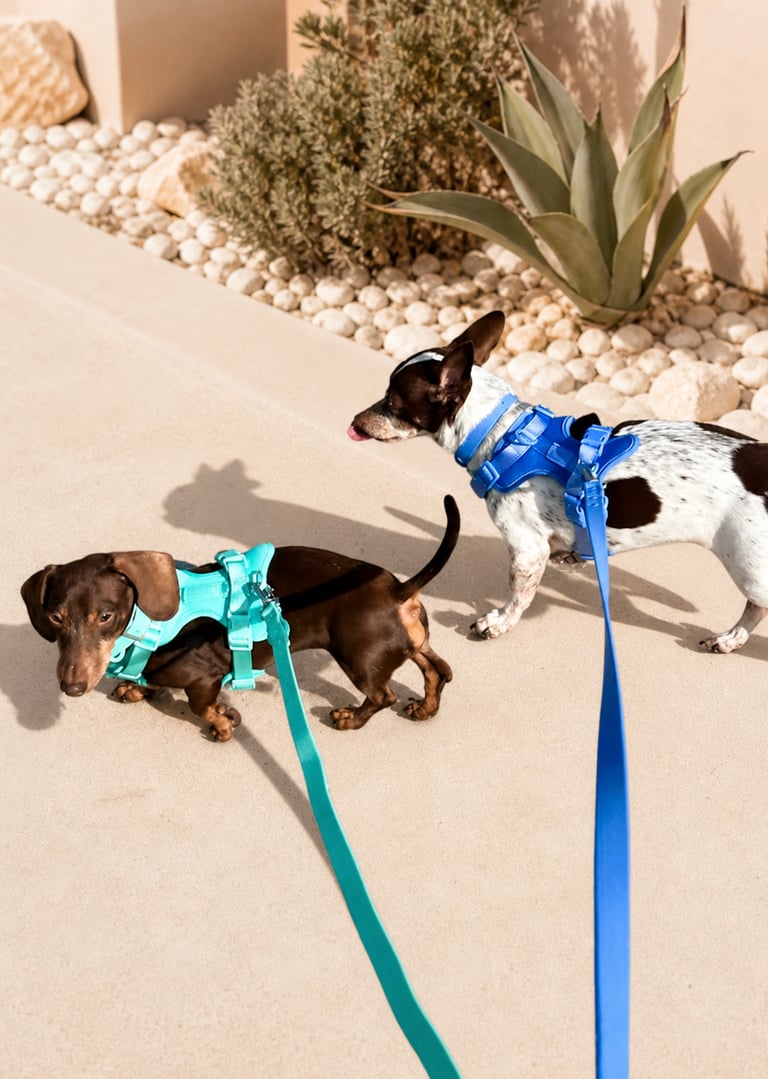
Best Harnesses for Small Dogs, Comfort, Style & No-Pull Design | Bad & Boujee Pets
Looking for the best harness for your small dog? Discover comfort-first, boutique-inspired harnesses designed for Yorkies, Chihuahuas, and petite pups who love every walk.
If you've ever spent ten minutes wrestling a harness onto a wiggly five-pound Yorkie, you already know, not all harnesses are created equal.
Small dogs have small bodies, big personalities, and a very low tolerance for gear that pinches, slips, or just doesn't feel right. Finding a harness that checks every box, secure fit, no-pull design, soft against the skin, and actually cute, takes more searching than it should.
This guide is for the pet parent who refuses to settle. Whether you've got a Yorkie who thinks she's a runway model, a Chihuahua who struts like he owns the sidewalk, or a Maltese who just wants a cozy morning walk in peace, here's everything you need to know about finding the right harness for your small dog.
Why Small Dogs Need a Different Kind of Harness
It's tempting to just size down a standard harness and call it a day. But small breed dogs have a few specific needs that make purpose-built harnesses worth it.
Trachea protection is the big one. Small breeds are particularly prone to tracheal collapse, a condition that can be triggered or worsened by collar pressure. A well-fitting harness distributes pressure across the chest and shoulders instead, a much safer setup for petite pups on excitable walks.
Proportional fit matters more than you'd think. A harness built for a 20-pound dog scaled down to a size XS still has strap placements designed for a different body shape. Look for harnesses specifically engineered for small breeds, with chest straps that sit correctly and back clips that don't ride up toward the neck.
Weight and bulk count. Your small dog doesn't need to be wearing something that weighs more than their dignity. Lightweight materials mean they move naturally, stay comfortable, and don't spend the whole walk trying to shake the thing off.
What to Look for in a Comfortable Harness for Small Dogs
Before you fall for the cutest option in your feed (we get it, it's hard), here are the comfort-first features worth prioritizing.
Soft, Skin-Friendly Lining
The part of the harness that sits against your pup's body matters most. Look for padded interiors, mesh panels, or fleece-lined straps that won't irritate skin after repeated wear. If your dog has fine or thin fur, like many Yorkies and Chihuahuas do, this becomes even more important.
A Secure, Adjustable Fit
A harness that's even slightly too loose is a harness your dog can back out of. Look for multiple adjustment points, ideally around the neck and the girth, so you can dial in a snug, safe fit as your pup grows or their weight shifts seasonally.
A good rule of thumb: you should be able to slip two fingers under any strap comfortably. Snug enough to stay, loose enough to breathe.
No-Pull Design That Actually Works
No-pull harnesses typically feature a front clip at the chest, which gently redirects your dog toward you when they lunge forward instead of letting them barrel ahead. For small dogs who walk on busy streets or around bigger dogs, this kind of control is genuinely reassuring, for you and for them.
Some harnesses offer both a front and back clip, which gives you flexibility depending on the walk. An easy neighbourhood stroll? Back clip. A trip to a crowded pet-friendly market? Front clip for a little extra guidance.
Easy On, Easy Off
If getting the harness on turns into a ten-minute negotiation every morning, you're both going to start dreading walks. Step-in harnesses are generally the easiest for squirmy small dogs. Overhead styles can work well too, as long as the opening is wide enough to go on smoothly.
Harness Styles Worth Knowing
Not all stylish dog harnesses look the same, and that's a good thing. Here's a quick breakdown of the most popular styles for small breeds.
Step-In Harnesses
Your dog steps in with both front paws, you pull the straps up and clip at the back. Simple, fast, and great for dogs who hate having anything pulled over their head. These tend to be a favourite for Yorkies and Chihuahuas.
Vest Harnesses
These wrap around the torso like a little jacket, distributing pressure evenly and offering a cozy, secure feel. They tend to look the most polished, and they photograph beautifully, just saying. Vest-style harnesses are a staple in the Bad & Boujee Pets collection for a reason.
H-Style Harnesses
A classic design with two loops, one around the neck, one around the belly, connected by a strap down the back. Lightweight and minimal, great for warmer months when your pup doesn't need much coverage.
Reversible & Colour-Blocked Harnesses
For the pet parent who likes to coordinate. These come in two-sided designs or bold colour pairings that make a statement even on the most routine morning walk.
Harness Tips for Specific Small Breeds
Yorkies
Yorkies are small but spirited, and their silky coats can snag on rough stitching or scratchy hardware. Look for smooth-edged buckles and soft interior lining. A vest-style or step-in harness in a snug fit works beautifully for most Yorkie builds. Our pink harness collection at Bad & Boujee Pets was practically designed with Yorkies in mind.
Chihuahuas
Chihuahuas often have a narrow chest and prominent shoulder bones, which makes fit even more critical. Avoid anything with a chest plate that's too rigid, soft, flexible materials conform better to their frame. A front-clip no-pull style is especially useful for Chihuahuas who tend to walk with a lot of enthusiasm.
Maltese
Maltese have longer coats that can get caught in harness clasps and velcro if you're not careful. Smooth buckle closures and wide, padded straps are your best friends here. A vest-style harness with a clean back clip is usually the easiest and most comfortable fit.
Pomeranians
Fluffy pups need harnesses with a wider back strap so the fur doesn't get matted or pressed flat over time. Look for designs that sit lightly on the coat rather than cinching tight across the back.
How to Style Your Small Dog's Harness
A great harness doesn't have to be purely functional, it can be the centrepiece of a whole look. Here's how to lean into it.
Match to their outfit. If your pup is wearing a printed hoodie or a cozy knit, a neutral harness in cream, blush, or black keeps the look cohesive. If their outfit is simple, a bold harness in mauve, cobalt, or deep burgundy adds the statement piece.
Coordinate with the leash. A matching leash-and-harness set instantly looks more intentional and put-together. It's the dog equivalent of wearing a matching set, effortlessly polished.
Think about the season. Lighter colours and breathable mesh harnesses feel fresh for spring and summer. In cooler months, rich tones and padded vest styles fit right in with the cozy-walk energy.
Less is more for small dogs. Petite pups can get overwhelmed by hardware-heavy, overly embellished designs. Clean lines, quality materials, and one or two thoughtful details tend to look more elevated than anything loaded with charms and patches.
Signs It's Time to Replace Your Dog's Harness
Even the best harness has a lifespan. Here's what to watch for:
Fraying straps or worn stitching, especially at the clip attachment points, where the most stress is concentrated
Buckles that don't click firmly, a loose buckle is a safety issue, not just an annoyance
Your dog seems uncomfortable, unexplained reluctance to walk, rubbing at the harness, or skin irritation under the straps can signal that the fit has changed or the material has worn down
It no longer fits properly, if your pup has grown, put on weight, or lost weight, it's worth re-measuring rather than just adjusting the straps to their limit
A well-made harness from a quality boutique brand should hold up for a year or more with regular use and proper care.
Caring for Your Pup's Harness
A little maintenance goes a long way toward keeping a good harness looking and feeling its best.
Most soft harnesses can be hand-washed in cool water with a gentle soap, avoid anything with bleach or harsh detergents that can break down the fabric over time. For vest-style harnesses with padding, reshape while damp and lay flat to dry so they hold their form.
Check buckles and clips every few weeks for any signs of wear or stiffness. A quick wipe with a slightly damp cloth keeps hardware looking clean, especially after muddy walks.
FAQ: Small Dog Harnesses
Are harnesses better than collars for small dogs?
For most small breeds, yes. Harnesses distribute pressure across the chest and shoulders rather than the neck, which reduces the risk of tracheal injury, especially for breeds already prone to respiratory issues like Yorkies and Chihuahuas. Collars are still useful for ID tags, but a harness is the better choice for walks.
How do I measure my small dog for a harness?
You'll typically need two measurements: the neck circumference (measured loosely around the base of the neck) and the girth (the widest part of the chest, just behind the front legs). Always check the specific size chart for the harness you're buying, since sizing can vary between brands.
My dog hates wearing a harness. What do I do?
Start slow. Let them sniff and investigate the harness before putting it on. Try draping it over their back without clipping it, then work up to a full fit over several short sessions. Treats help enormously. Step-in styles tend to be less stressful for harness-shy dogs than overhead styles.
What's the difference between a front-clip and back-clip harness?
A back-clip harness attaches the leash at the centre of your dog's back, easy to use and comfortable for calm walkers. A front-clip harness attaches at the chest and gently redirects pulling dogs toward you when they lunge. Some harnesses offer both clip points, which gives you the flexibility to switch based on the situation.
Are no-pull harnesses safe for small dogs?
Yes, when fitted correctly. The key is making sure the chest strap sits across the sternum, not up toward the throat or down on the leg joints. A properly fitted no-pull harness is one of the safest and most humane tools for managing a pull-happy small dog.
How often should I wash my dog's harness?
Roughly every two to four weeks with regular use, or sooner if it gets visibly dirty or starts to smell. More frequent washing is fine as long as you're using a gentle method, aggressive washing can wear down materials faster.
The Bottom Line
The right harness makes every walk better, for your pup and for you. When it fits well, feels comfortable, and looks like it was actually chosen with care, it stops being just a piece of gear and starts being part of your dog's whole vibe.
Small dogs deserve harnesses that take their size seriously without sacrificing on style. Whether you're looking for a soft, cozy everyday option or a statement piece for a big day out, the most important thing is fit first, then everything else.
At Bad & Boujee Pets, the harnesses we carry are picked with exactly that in mind, comfort-first design, boutique-inspired style, and proportions that actually work for petite breeds. Because your confident little pup deserves nothing less.
Ready to find the one? Shop our harness collection →
About the Author
Kim is the founder of Bad & Boujee Pets and proud dog mom to Chloe and Fendi. As a pet parent, content creator, and pet lifestyle enthusiast, she shares dog care tips, product recommendations, breed insights, and real-life experiences to help pet parents make informed decisions and give their dogs the happiest, healthiest life possible. Through Bad & Boujee Pets, Kim combines her love for dogs, fashion, and pet wellness to create helpful resources and stylish inspiration for modern dog families.
Bad & Boujee Pets
Bad & Boujee Pets is where style meets comfort for your pup.We create fashionable, high-quality accessories designed to turn heads on every walk.
As an Amazon Associate, we earn from qualifying purchases. Some links on this site are affiliate links, which means we may earn a small commission at no extra cost to you.
Contact
Join The Boujee Pack
hello@badnboujeepets.com
© 2026 All rights reserved.