Up to 30% off now
Adopt Don't Shop vs Buying a Puppy: What Every Dog Parent Should Know
Dog Adoption Guide, Responsible Pet Ownership, First-Time Dog Owner Tips
Kimberly — Founder, Bad & Boujee Pets
6/4/202617 min read
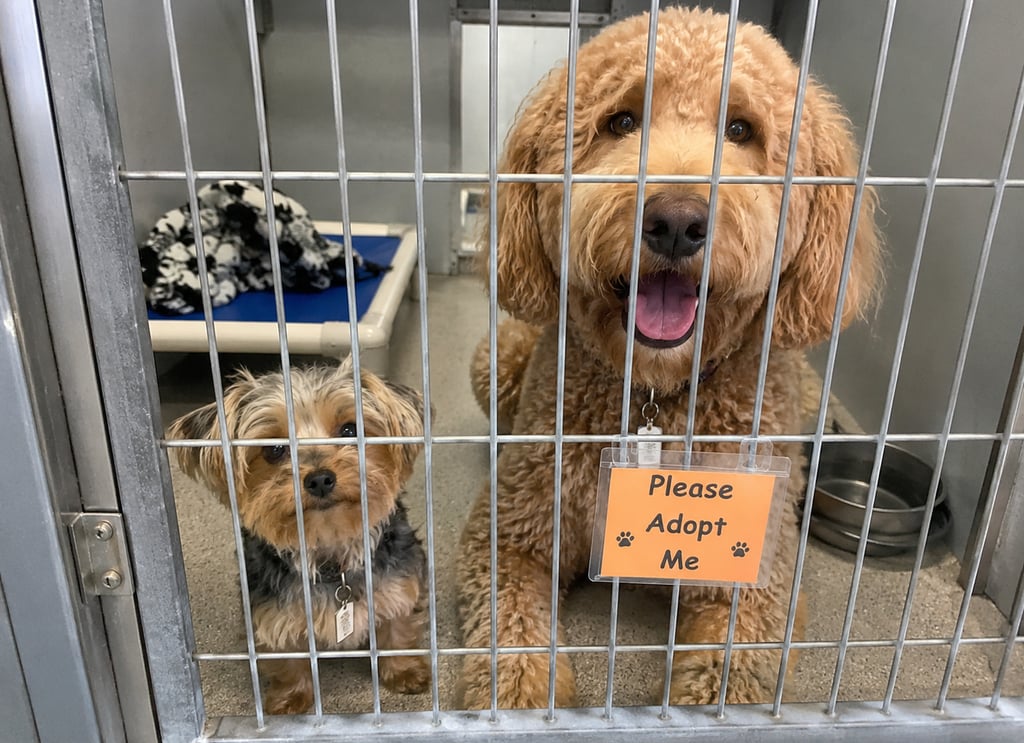
By Bad & Boujee Pets | Dog Adoption Guide, Responsible Pet Ownership, First-Time Dog Owner Tips Published: June 2026 | 13 min read
One person walks into a shelter on a random Tuesday afternoon. She's just browsing, she tells herself. She's not ready for a dog. She has a busy schedule, a small apartment, and absolutely zero business falling in love with a scruffy, wide-eyed mixed breed who presses his little nose against the kennel door like he's been waiting specifically for her.
She adopts him that day. Names him Biscuit. He becomes her whole world.
Another woman spends eight months researching Yorkshire Terrier breeders. She reads reviews, joins breed forums, visits three different facilities, and asks more questions than a first-year law student. She finally brings home a tiny, perfectly healthy Yorkie puppy she's already named Chanel.
She cries happy tears the entire drive home.
Which one made the right choice?
Here's the truth that the internet doesn't want to tell you — they both did.
And yet, if either of these women posted about their new dog online, someone would show up in the comments with an unsolicited opinion faster than you can say "puppy breath."
Welcome to one of the most passionate debates in the dog world: Adopt Don't Shop vs Buying a Puppy. Grab your coffee, squeeze your pup, and let's talk about this — judgment-free, facts-first, and with all the love in the world for dogs everywhere.
Why This Debate Gets So Heated 🔥
Dog people can turn into full-blown courtroom attorneys the second someone mentions where their puppy came from.
"You BOUGHT your dog?! Do you know how many dogs are dying in shelters right now?!"
"You got a rescue? But you don't even know its history! What if it bites your kids?!"
Both of these statements are said with genuine love for animals. And both of them are kind of missing the point.
The "Adopt Don't Shop" movement was born out of a real and devastating problem — overcrowded shelters, underfunded rescues, and millions of healthy animals being euthanized every year because there simply weren't enough homes. The passion behind the movement is completely valid.
On the other side, responsible breeders who dedicate their lives to preserving healthy, well-tempered breeds feel unfairly lumped in with puppy mills and backyard breeders — and honestly? That frustration is valid too.
Social media has turned what could be a nuanced conversation into a shouting match. And somewhere in the middle of all this noise, first-time dog owners are just trying to figure out how to make the best decision for their family — without being cancelled in the process.
So let's slow down, take a breath, and actually talk about this like the intelligent, dog-obsessed humans we are.
What "Adopt Don't Shop" Actually Means
The phrase "Adopt Don't Shop" was popularized in the early 2000s as a response to the booming pet store industry, which largely sourced puppies from commercial breeding facilities — better known as puppy mills.
The core message is simple: before purchasing a dog from a breeder or pet store, consider visiting your local shelter or rescue organization first. Millions of wonderful dogs — puppies included — are waiting for homes right now.
According to the ASPCA, approximately 3.1 million dogs enter U.S. animal shelters every year. About 390,000 of those dogs are euthanized annually — not because they're dangerous, but because there aren't enough adoptive homes.
The Humane Society of the United States estimates there are between 2,000 and 3,000 puppy mills operating in the country, producing hundreds of thousands of puppies under conditions that range from questionable to genuinely horrifying.
The adopt don't shop movement isn't anti-dog-breeder at its core. It's anti-cruelty. It's anti-puppy mill. And it's pro-giving-a-deserving-dog-a-loving-home.
Understanding that distinction changes the whole conversation.
🐾 Did You Know? About 25% of dogs in shelters are purebred. So if you have your heart set on a specific breed, checking breed-specific rescues is absolutely worth it before going straight to a breeder!
Section 3: The Beautiful Case for Adopting a Dog
Let's be honest — rescue dog stories hit differently.
There's something about a dog who has known hardship, uncertainty, or loss finding a safe, loving home that makes even the most composed person reach for the tissues. Rescue dogs seem to know. They look at you with those eyes and you feel it in your soul.
But beyond the emotional pull, there are some genuinely practical reasons to consider adoption:
You're saving a life. Full stop. This isn't just a slogan. When you adopt from a shelter, you're directly creating space for another animal who needs help. It's a ripple effect of love.
Lower upfront costs. Adoption fees typically range from $50–$500 depending on the organization. That fee usually includes spaying or neutering, vaccinations, microchipping, and sometimes even a starter supply pack. Compared to purchasing from a breeder, the initial investment is significantly lower.
Adult dogs may already be trained. While puppies are undeniably adorable, they are also tiny chaos machines who will chew your favorite shoes and cry at 3 AM. Many shelter dogs are already house-trained, know basic commands, and have outgrown the destructive puppy phase.
Mixed breed health advantages. Mixed breed dogs often benefit from what's called "hybrid vigor" — genetic diversity that can reduce the risk of inherited diseases common in purebreds. While this isn't a guarantee, many mixed breeds enjoy long, healthy lives.
You might find your perfect match faster than you think. Shelters and rescues do thorough behavioral assessments. A good rescue coordinator can match you with a dog based on your lifestyle, energy level, living situation, and family dynamic. Sometimes the universe just knows.
🐾 Chloe & Fendi Approved: "We believe every dog deserves designer accessories and a soft place to land — regardless of where they came from." 👑
Section 4: The Real Talk About Adoption Challenges
We love rescue dogs deeply around here. And because we love them, we're going to be honest with you about the challenges — because walking in with realistic expectations is the kindest thing you can do for yourself and your new dog.
Unknown history. Many shelter dogs come with incomplete or unknown backgrounds. You may not know what they experienced before they came to you — and that history can sometimes show up in unexpected ways.
Behavioral challenges. Some rescue dogs carry trauma. This might look like anxiety, fear-based reactions, resource guarding, or difficulty trusting new people. These challenges are absolutely workable with patience and professional training — but they require time, commitment, and sometimes financial investment.
Medical unknowns. While shelters do their best to assess health upon intake, underlying health conditions aren't always immediately apparent. Budget for a thorough veterinary exam shortly after adoption.
Adjustment periods can be long. There's a well-known concept in the rescue world called the "3-3-3 Rule" — it takes approximately 3 days for a dog to decompress, 3 weeks to learn your routine, and 3 months to truly feel at home. Some dogs take even longer. Patience is non-negotiable.
It's not failure to rehome — but it does happen. Some adoptions don't work out, particularly if the behavioral needs of the dog exceed what a family can safely manage. This is heartbreaking for everyone involved, which is why doing your research beforehand matters so much.
🐾 Reality Check: Adopting a dog is not a weekend project. It's a decade-plus commitment that requires real preparation, honest self-assessment, and unconditional love — especially on the hard days.
Section 5: The Case for Buying from an Ethical Breeder
Let's say it clearly and without apology: responsible, ethical breeders are not the enemy.
There is a meaningful difference between a dedicated breeder who has spent years perfecting their program, health-testing their dogs, and carefully placing puppies in screened homes — and someone pumping out litters for profit with zero regard for the animals' well-being.
Here's why working with an ethical breeder makes sense for some families:
Predictability. When you purchase a puppy from a reputable breeder, you generally have a much clearer picture of what you're getting — adult size, coat type, energy level, and temperament. For families with specific needs (allergies, young children, small living spaces), this predictability matters.
Breed-specific traits. Certain breeds have been developed over generations for specific purposes — herding, hunting, companionship, therapy work. If you need a dog with particular traits for a specific lifestyle, a responsible breeder can guide you toward the right match within that breed.
Health testing. Ethical breeders invest in genetic health testing for their breeding dogs to reduce the risk of passing on hereditary conditions. The American Kennel Club (AKC) provides breed-specific health testing recommendations, and reputable breeders follow them.
Ongoing support. A good breeder doesn't disappear after the sale. They become a lifelong resource for questions about training, health, and behavior. Many reputable breeders include a health guarantee and require that puppies be returned to them — rather than surrendered to a shelter — if the family can no longer keep the dog.
Breed preservation. Some breeds face genuine extinction or serious health crises due to irresponsible breeding practices. Dedicated breeders who health-test and breed for temperament and longevity are actively working to preserve these breeds for future generations.
🐾 Boujee Tip: The AKC Marketplace and breed-specific parent clubs are great starting points for finding health-tested, reputable breeders. A good breeder will have a waitlist. That's not a red flag — that's a green flag. 🟢
Section 6: 🚨 Puppy Mill and Backyard Breeder Red Flags
This is the section we need everyone to read, share, and tattoo on their forearm.
Puppy mills and backyard breeders are the actual villains in this story. They're responsible for the suffering of millions of animals and the heartbreak of families who unknowingly purchase sick, traumatized puppies.
Here's what to watch for:
🚩 No health records or certifications. A responsible breeder will provide documentation of health testing for the parents and vaccination/deworming records for the puppy. No paperwork? Walk away.
🚩 Refuses to let you visit or see where the puppy was raised. Legitimate breeders welcome visits. If someone insists on meeting you in a parking lot or won't show you the facility, that's a serious warning sign.
🚩 Multiple breeds or litters always available. A breeder who always has puppies available in multiple breeds is likely running a high-volume operation focused on profit, not the welfare of the animals.
🚩 Prices that seem too good to be true. A "purebred" puppy being sold for $200 is not a deal. It's a red flag. Quality breeding is expensive. Health testing, proper nutrition, veterinary care, and responsible raising of puppies costs money.
🚩 No questions asked of you. Ethical breeders screen buyers carefully. If a breeder seems happy to sell to literally anyone with cash, they're not prioritizing the welfare of their puppies.
🚩 Puppies available before 8 weeks. Responsible breeders do not separate puppies from their mothers before 8 weeks of age. Early separation causes significant behavioral and emotional issues.
🚩 Parents are unavailable or unhealthy-looking. You should be able to meet at least the mother of the litter. If she seems fearful, unhealthy, or is kept in poor conditions, those puppies are not being raised properly.
🐾 Did You Know? Many pet stores source their puppies from commercial breeding facilities, even when they claim otherwise. Adopting directly from a rescue or purchasing directly from a responsible breeder — and skipping the pet store middleman — is always the safer choice.
Section 7: The Real Cost of a Dog 💰
Let's talk money. Because nothing will stress-test your dog ownership plans like an unexpected $3,000 vet bill.
Expense Adoption Ethical Breeder Initial cost $50–$500 $800–$5,000+ Spay/neuter Usually included $200–$500 Initial vet exam $50–$100 $50–$100 Vaccinations (year 1) Sometimes included $75–$200 Food (annual) $300–$700 $300–$700 Grooming (annual) $200–$1,000+ $200–$1,000+ Training (year 1) $100–$500 $100–$500 Pet insurance (annual) $300–$600 $300–$600 Toys, beds, accessories $100–$500+ $100–$500+ Emergency vet fund $1,000–$5,000 $1,000–$5,000
The honest truth? The initial price difference between adoption and purchasing from a breeder can be significant. But the ongoing costs of dog ownership are largely the same regardless of where your dog came from.
The ASPCA estimates the average annual cost of owning a dog ranges from $1,391 to $4,512 depending on the size of the dog and your lifestyle choices.
🐾 Reality Check: If you cannot comfortably cover a $2,000–$3,000 emergency vet bill, please prioritize setting up a pet emergency fund or securing pet insurance BEFORE bringing a dog home. Financial unpreparedness is one of the leading causes of pet surrender.
Section 8: Which Option Fits YOUR Lifestyle?
The best dog isn't the most expensive or the most "deserving" — it's the one that fits your actual life.
Busy professionals: Consider an adult rescue dog who is already trained and has a calmer energy. Puppies require significant time investment in their first year that a demanding career schedule may not accommodate.
Families with young children: Both rescue dogs and breeder puppies can work beautifully with children. The key is temperament, proper introduction, and consistent training. A reputable rescue will match you with a family-tested dog. A reputable breeder can guide you toward a family-friendly lineage.
Apartment dwellers: Size matters. So does energy level. A high-energy breed in a small space without adequate exercise is a recipe for destruction. Research breed-specific energy requirements honestly.
Seniors: Many rescues specialize in placing older, calmer dogs with senior owners. An older dog who just wants to cuddle and go for gentle walks can be an absolutely perfect companion.
First-time dog owners: Both options work — but be honest about your bandwidth. A high-needs rescue dog with significant trauma history may not be the best first dog. Similarly, a high-energy breed puppy from a breeder may overwhelm someone who underestimated the time commitment.
Active people: If you want a running partner, hiking companion, or agility dog, research energy levels carefully regardless of whether you adopt or purchase.
People with allergies: Certain breeds — Poodles, Bichon Frises, Portuguese Water Dogs — are considered more hypoallergenic due to low-shedding coats. A reputable breeder can help ensure you're getting a dog that fits your allergy needs. Breed-specific rescues also exist for these breeds.
🐾 Boujee Tip: Take the time to honestly assess your lifestyle before falling in love with a specific breed or dog. Love is not enough on its own. Compatibility is what makes a forever home actually forever.
Section 9: Common Myths — Officially Debunked 🔍
❌ Myth: Shelter dogs are damaged goods. ✅ Truth: Most shelter dogs are there through no fault of their own — owner surrenders due to moving, divorce, financial hardship, or a new baby are among the most common reasons. The majority are healthy, loving, and completely adoptable.
❌ Myth: Purebred dogs are healthier. ✅ Truth: Poorly bred purebred dogs can actually have MORE health problems due to limited gene pools and irresponsible breeding practices. Mixed breeds often benefit from greater genetic diversity. Health depends on responsible breeding, not purity of breed.
❌ Myth: Puppies are easier than adult dogs. ✅ Truth: Puppies are adorable disasters. House training, bite inhibition, socialization, separation anxiety — it all starts from scratch. Adult dogs often come with established personalities and sometimes pre-existing training. Easier is relative, but adult dogs are wildly underrated.
❌ Myth: You can't teach an old dog new tricks. ✅ Truth: Dogs of all ages can learn. Senior dogs can absolutely be trained, and many experts argue that adult dogs actually focus better during training than hyper puppies. Age is not a barrier to learning.
❌ Myth: Mixed breeds are unpredictable. ✅ Truth: Every dog is an individual. While breed can give you general tendencies, a dog's individual personality, history, socialization, and training have far more influence on behavior than genetics alone.
Section 10: Questions to Ask Yourself Before Getting ANY Dog ✅
Before you fall in love with a face (and you will — it's inevitable), run through this checklist honestly:
Can I afford emergency vet bills of $2,000–$5,000?
Am I prepared for a 10–15 year commitment through every season of life?
Do I have time for daily exercise, mental stimulation, and quality interaction?
Who will care for my dog when I travel?
Can I handle shedding, barking, or destructive phases?
Is my living situation stable enough for a pet?
Does everyone in my household actually want a dog?
Have I researched the specific breed or mix I'm considering?
Am I prepared to invest in training — especially if challenges arise?
Am I getting a dog for the right reasons — or just because puppies are cute on Instagram?
That last one is important. Impulse adoptions and purchases are a leading cause of surrender. Dogs are not accessories. They are living beings who deserve a commitment that doesn't expire when they stop being convenient.
🐾 Reality Check: There is no shame in deciding you're not ready for a dog right now. There IS a cost — to the animal — when someone brings home a dog they weren't prepared for.
Section 11: The Bad & Boujee Pets Perspective 🖤👑
Here at Bad & Boujee Pets, we believe this with everything we have:
Every dog deserves a loving home. Full stop.
We don't believe in shaming the woman who adopted her rescue mutt from the shelter, or the woman who waited eight months on a breeder's waitlist for her Yorkie. We believe in responsible ownership. We believe in lifelong commitment. We believe in doing the research, asking the hard questions, and choosing love over impulse.
We believe that Chloe and Fendi — our spoiled, stylish, unapologetically boujee Yorkies — represent something bigger than a brand aesthetic. They represent the kind of love that shows up every single day. The kind of love that doesn't return a dog when life gets complicated. The kind of love that puts a dog's needs above its own convenience.
That love is available to rescue dogs and purchased puppies alike. What matters isn't the label — it's the life you give them.
🐾 Chloe & Fendi Approved: "We don't care where you came from. We care that you're loved, healthy, styled, and safe." 👑🐾
Section 12: Real-Life Stories That Will Hit You Right in the Heart
Story 1: The Rescue That Rescued Her Back
Destiny wasn't looking for a dog. She was walking past a rescue event outside a pet supply store when a 4-year-old Beagle mix named Peanut locked eyes with her and simply refused to look away.
She filled out the adoption paperwork that afternoon.
Three years later, Peanut has helped Destiny through a divorce, a cross-country move, and more 2 AM anxiety spirals than she can count. "He knew I needed him before I did," she says. "Rescue dogs don't just find a home. They find their person."
Story 2: The Breeder Puppy Who Was Worth the Wait
Marcus had done his research. His daughter has severe allergies, and after months of investigation, he found a reputable Poodle breeder with health-tested lines, a facility he visited twice, and a waitlist he waited nine months to reach the top of.
The puppy, Mocha, came home with complete health records, two follow-up calls from the breeder, and a health guarantee. Three years later, Mocha is his daughter's best friend, her allergy companion, and the most gentle soul in their home.
"People looked at me sideways for buying from a breeder," Marcus admits. "But I needed predictability for my daughter's health. That breeder cared more about where Mocha was going than I expected."
Story 3: The Puppy Mill Nightmare
Jade found the listing online. A "purebred" French Bulldog puppy for $400. The seller met her at a gas station. No paperwork. No health records. He was adorable, and she was in love.
Within two weeks, she was at the emergency vet. The puppy had parvovirus, a heart murmur, and a respiratory infection. Over the next six months, Jade spent over $8,000 in veterinary bills. The puppy survived — but barely.
"I thought I was getting a deal," she says. "I had no idea what I was really buying into. I wish someone had told me the warning signs."
She now volunteers with a Frenchie rescue and advocates loudly against puppy mills.
Section 13: Expert Tips for First-Time Dog Parents 🐾
Whether you adopt or purchase, here's what every new dog parent needs to know:
Schedule a vet visit within the first week. Establish a relationship with a veterinarian before you need one urgently. A thorough baseline exam can catch issues early and give you peace of mind.
Invest in training early. The first few months set the foundation for the next decade. Puppy kindergarten or basic obedience classes are worth every penny — for your sanity and your dog's confidence.
Socialize intentionally. Expose your dog to different environments, sounds, people, and animals during the critical socialization window (8–16 weeks for puppies, but ongoing for all ages). A well-socialized dog is a happier, more confident dog.
Crate training is kindness, not cruelty. A properly introduced crate becomes a dog's safe space — a den where they can decompress and feel secure. It also prevents destructive behavior and helps with house training.
Feed a quality diet. Nutrition directly impacts energy, coat health, weight, and longevity. Consult your vet about the appropriate food for your dog's breed, size, and age.
Build trust through consistency. Dogs thrive on routine and predictability. Consistent feeding times, walk schedules, and clear boundaries create a secure, confident dog.
Mental stimulation is just as important as physical exercise. Puzzle toys, training sessions, nose work, and interactive play keep your dog's brain engaged and prevent boredom-related behavior issues.
🐾 Boujee Tip: The American Veterinary Medical Association (AVMA) recommends annual wellness exams for adult dogs and semi-annual exams for senior dogs (7 years and older). Prevention is always less expensive than treatment.
Section 14: The Final Verdict 🏆
You came here for an answer. A verdict. Someone to tell you which side is right.
Here it is:
Both can be right. Neither is inherently wrong. And the only truly wrong choice is making an uninformed, impulsive decision that a dog ultimately pays the price for.
The best dog isn't the one who came from a shelter or a reputable breeder. The best dog is the one whose needs match your lifestyle — and who receives lifelong love, care, and unwavering commitment.
Adopt a rescue. Support a responsible breeder. Save a dog from a shelter. Wait nine months on a waitlist for the right puppy. Do your research, ask the hard questions, and choose with your whole heart AND your logical brain.
And when that dog comes home — however they come home — love them like the royalty they are.
Because here's the truth that matters most:
"Dogs don't care how they came home. They care that they finally did." 🐾❤️
Frequently Asked Questions
Q: Is adopting a dog cheaper than buying from a breeder? A: Yes, generally. Adoption fees typically range from $50–$500 and usually include spaying/neutering and initial vaccinations. Purchasing from an ethical breeder can range from $800 to $5,000+. However, ongoing costs are similar for both.
Q: Are shelter dogs good with children? A: Many are! Reputable rescues conduct behavioral assessments and can identify family-friendly dogs. Always introduce any dog to children carefully and supervise interactions, regardless of where the dog came from.
Q: What makes a breeder "ethical" or "responsible"? A: An ethical breeder health-tests their breeding dogs, raises puppies in a home environment, screens potential buyers, provides health guarantees, and takes puppies back if a placement doesn't work out. They breed for health and temperament, not profit.
Q: Can rescue dogs be trained? A: Absolutely. Dogs of all ages and backgrounds can be trained with patience, consistency, and positive reinforcement techniques. Many rescue dogs arrive knowing basic commands already.
Q: Are purebred dogs healthier than mixed breeds? A: Not necessarily. Poorly bred purebreds can carry significant genetic health issues. Mixed breeds often benefit from greater genetic diversity. Health is determined by responsible breeding, not purity of lineage.
Q: What questions should I ask a breeder before buying? A: Ask about health testing for the parents, the puppy's vaccination and deworming history, the socialization practices they use, their return policy, and whether they're a member of their breed's parent club.
Q: How do I find a reputable rescue organization? A: Start with Petfinder.com, Adopt-A-Pet.com, or your local ASPCA/Humane Society. Look for organizations that conduct behavioral assessments, have a thorough adoption application, and provide post-adoption support.
Q: What is a puppy mill? A: A puppy mill is a commercial dog breeding operation that prioritizes profit over the welfare of animals. Dogs are typically kept in overcrowded, unsanitary conditions with little socialization or veterinary care. Puppies from mills often have significant health and behavioral issues.
Q: How long does it take for a rescue dog to adjust? A: The "3-3-3 Rule" is a helpful guideline: 3 days to decompress, 3 weeks to learn your routine, 3 months to feel truly at home. Every dog is different, and patience is essential.
Q: Should I get a puppy or an adult dog? A: It depends on your lifestyle and bandwidth. Puppies require significant time investment in training and socialization. Adult dogs often come with established personalities and some training. Neither is universally better — the right fit depends on you.
About Bad & Boujee Pets 🖤👑
Bad & Boujee Pets is a luxury pet lifestyle brand founded by a dog mom who refused to choose between style and substance. Built around the belief that every dog deserves to live their most fabulous life, we create and curate premium dog fashion, accessories, and content for the modern, unapologetically boujee pet parent.
From designer dog harnesses to luxury pet travel gear, our collection is designed for dogs who know their worth — and the humans who love them fiercely.
Headquartered in the hearts of Chloe and Fendi's mom, and headquartered online at badnboujeepets.com.
Join the Bad & Boujee Pets Family 🐾
If this article helped you, educated you, made you laugh, or made you squeeze your dog a little tighter — we did our job.
Here's how to stay connected:
📱 Follow us on TikTok & Instagram: @bad_boujee_pets
🛍️ Shop our luxury pet collection: badnboujeepets.com
📖 Read more pet guides on our blog
💌 Subscribe for weekly pet tips, style guides, and exclusive offers
🔁 Share this article with every dog parent you know — because knowledge is the most luxurious thing we can give our pets
Every dog deserves a boujee life. Let's make sure they get one. 🖤🐾👑
About the Author
Kim is the founder of Bad & Boujee Pets and proud dog mom to Chloe and Fendi. As a pet parent, content creator, and pet lifestyle enthusiast, she shares dog care tips, product recommendations, breed insights, and real-life experiences to help pet parents make informed decisions and give their dogs the happiest, healthiest life possible. Through Bad & Boujee Pets, Kim combines her love for dogs, fashion, and pet wellness to create helpful resources and stylish inspiration for modern dog families.
Bad & Boujee Pets
Bad & Boujee Pets is where style meets comfort for your pup.We create fashionable, high-quality accessories designed to turn heads on every walk.
As an Amazon Associate, we earn from qualifying purchases. Some links on this site are affiliate links, which means we may earn a small commission at no extra cost to you.
Contact
Join The Boujee Pack
hello@badnboujeepets.com
© 2026 All rights reserved.